Sexual harassment is a form of sex discrimination prohibited by Title VII and the Florida Civil Rights Act. It includes unwelcome sexual advances, requests for sexual favors, or other verbal or physical conduct of a sexual nature. It becomes unlawful when (1) submission is made a term or condition of employment, (2) submission to or rejection of the conduct is used as the basis for employment decisions, or (3) the conduct is severe or pervasive enough to create an intimidating, hostile, or offensive working environment. The two recognized forms are quid pro quo harassment and hostile work environment harassment, and each can give rise to a claim for damages.
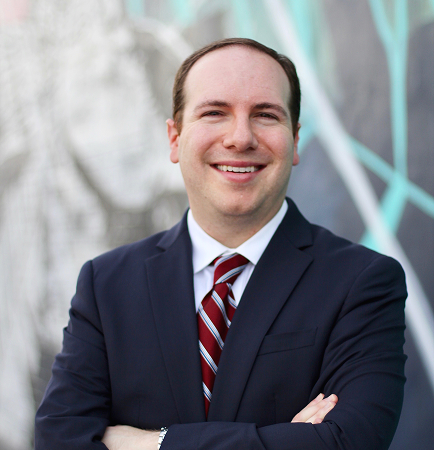
At BT Law Group, PLLC, Miami sexual harassment lawyer Anisley Tarragona and Jason D. Berkowitz represent employees who have experienced unwanted sexual conduct at work. Our experienced employment law attorneys have direct insight into how employers respond to harassment claims. Our firm also serves clients in both English and Spanish.
This guide explains the legal definition of sexual harassment, five warning signs to watch for, how to document and report harassment, and the steps involved in filing a complaint with the Equal Employment Opportunity Commission (EEOC) or the Florida Commission on Human Relations (FCHR). Call BT Law Group, PLLC at (305) 507-8506 to speak about your situation.
What Is Workplace Sexual Harassment Under Florida and Federal Law?
Sexual harassment is a form of sex discrimination prohibited by Title VII of the Civil Rights Act of 1964 (42 U.S.C. § 2000e et seq.) and the Florida Civil Rights Act (FCRA), Florida Statutes § 760.10. Both laws make it unlawful for an employer to allow unwelcome sexual conduct that affects the terms, conditions, or privileges of employment.
The U.S. Equal Employment Opportunity Commission defines sexual harassment as unwelcome sexual advances, requests for sexual favors, or other verbal or physical conduct of a sexual nature that meets one of three criteria. The first is that submission to such conduct is made a condition of employment, either explicitly or implicitly. The second is that submission or rejection of the conduct is used as the basis for employment decisions. The third is that the conduct creates an intimidating, hostile, or offensive work environment.
Florida law mirrors these federal protections. Under the Florida Civil Rights Act, it is unlawful for a covered employer to discriminate in compensation, terms, conditions, or privileges of employment because of sex, and the FCRA defines “employer” as generally having 15 or more employees for the required weeks in the relevant year. Courts interpreting the FCRA generally follow the same standards established under Title VII.

Quid Pro Quo Harassment
Quid pro quo is a Latin term meaning “this for that.” In the workplace, it refers to situations in which a supervisor or person in authority conditions an employment benefit on an employee’s compliance with sexual demands. A promotion, raise, favorable schedule, or continued employment may be offered or withheld based on whether the employee submits to unwanted sexual advances.
This form of harassment typically involves a power imbalance. Because the harasser controls employment outcomes, the employee may feel trapped between complying with the demands or suffering professional consequences. Only supervisors or individuals with authority over employment decisions can commit quid pro quo harassment.
Key Takeaway: Quid pro quo harassment occurs when a person in authority ties job benefits or consequences to sexual demands. This form of harassment requires a power imbalance and may involve only a single incident to be actionable.
Hostile Work Environment Harassment
Hostile work environment harassment involves unwelcome conduct of a sexual nature that is severe or pervasive enough to create an intimidating, offensive, or abusive workplace. Unlike quid pro quo, this type of harassment does not require a direct economic threat. Instead, the behavior itself makes it unreasonably difficult for the affected employee to do their job.
Courts evaluate hostile work environment claims by considering several factors: how often the conduct occurred, how severe it was, whether it was physically threatening or humiliating, and whether it unreasonably interfered with the employee’s work performance. A single isolated comment may not rise to the level of a hostile work environment, but repeated or particularly severe conduct can.
Importantly, the harasser does not need to be a supervisor. Coworkers, clients, vendors, and other third parties can all create a hostile work environment. The employer may be held liable if it knew or should have known about the harassment and failed to take prompt corrective action.
Key Takeaway: A hostile work environment arises from severe or pervasive sexual conduct that makes the workplace intimidating or abusive. The harasser can be anyone in the workplace, and the employer may be liable for failing to address known harassment.
What Are the Five Red Flags of Workplace Sexual Harassment?
Not every uncomfortable moment at work qualifies as sexual harassment. However, certain patterns of behavior are strong indicators that the legal line has been crossed. The following five red flags can help you identify conduct that may be actionable under federal or Florida law.
Red Flag 1: Inappropriate Sexual Comments or Jokes
Repeated sexual jokes, comments about physical appearance, or discussions about someone’s sexual activity can contribute to a hostile work environment. These remarks do not need to be directed at you personally. If the comments are frequent enough to alter the conditions of your employment, they may be legally significant.
A single offhand remark may not be sufficient on its own. However, when comments become a pattern, they can transform a professional workspace into one where sexual banter is normalized. Pay attention if you feel consistently uncomfortable, anxious, or distracted because of the sexual nature of the conversation around you.
Red Flag 2: Unwanted Physical Contact
Physical contact that is unwelcome and carries sexual overtones may constitute harassment. This includes touching, hugging, shoulder massages, deliberately brushing against someone, or cornering a person to prevent them from leaving.
The contact does not need to involve groping or overtly sexual touching to cross legal boundaries. Under Florida law, if the physical behavior is unwelcome, related to sex, and severe or pervasive, it can support a harassment claim. Even actions that the harasser describes as friendly or harmless may qualify if the recipient has made clear that the contact is unwanted.
Red Flag 3: Persistent Requests for Dates or Sexual Favors
When a coworker or supervisor continues to ask for dates or sexual favors after being declined, the behavior may cross into harassment. A single polite invitation that is respectfully accepted as a refusal is generally not actionable. However, repeated advances after a clear rejection create pressure that can feel threatening or coercive.
This is especially concerning when the person making the requests holds a position of authority. In that situation, the conduct may blend elements of hostile work environment harassment with quid pro quo dynamics, as the employee may fear professional retaliation for continued refusals.
Red Flag 4: Sharing Explicit or Offensive Sexual Materials
Displaying, distributing, or sharing pornographic images, sexually explicit emails, or offensive sexual content in the workplace can contribute to a hostile work environment. The materials do not need to be directed at a specific person. If explicit content is regularly visible or circulated in the workplace, it may affect multiple employees.
Under Title VII and the FCRA, the repeated presence of unwanted sexual materials can be enough to support a claim. This includes images posted in common areas, explicit content shared in group messages or emails, and sexual materials stored on shared computers or devices.
Red Flag 5: Differential Treatment Based on Gender or Sexual Orientation
Employees who are held to different standards, given fewer opportunities, or subjected to harsher discipline because of their gender identity or sexual orientation may be experiencing a form of sexual harassment. This includes being passed over for promotions that go to less qualified individuals of a different gender, receiving unequal work assignments, or facing derogatory comments rooted in gender stereotypes.
The U.S. Supreme Court’s 2020 decision in Bostock v. Clayton County confirmed that Title VII’s prohibition on sex discrimination includes discrimination based on sexual orientation and gender identity. Florida courts applying the FCRA are expected to follow this federal precedent.
- Being held to different behavioral or performance standards than colleagues of another gender
- Receiving fewer advancement opportunities despite equal or superior qualifications
- Facing derogatory comments based on gender identity or sexual orientation
- Being subjected to harsher disciplinary action for the same conduct as other employees
Anisley Tarragona and Jason D. Berkowitz of BT Law Group, PLLC represent employees facing all forms of workplace sexual harassment and discrimination in Miami-Dade County. Contact the firm at (305) 507-8506.
Sexual Harassment Attorney in Miami – BT Law Group, PLLC

How Should You Respond to Sexual Harassment in the Workplace?
If you believe you are experiencing sexual harassment, taking specific steps early can protect both your well-being and your legal rights. The actions you take before filing a formal complaint can significantly affect the strength of any future claim.
Report the Harassment to Your Employer
Both Title VII and the FCRA require employers to take reasonable steps to prevent and correct sexual harassment. Most employers are required to have policies and procedures in place for handling harassment complaints. Filing an internal complaint puts the employer on notice, which is a critical step for preserving your legal options.
When you report, create a detailed written record of each incident. Include the date, time, location, what happened, who was involved, and any witnesses who were present. Submit your complaint through the channels your employer has established, such as human resources or a designated reporting manager. Keep copies of everything you submit.
If your employer fails to investigate or take corrective action after receiving your complaint, that failure can become part of your legal claim. Employers who ignore or mishandle harassment complaints may face greater liability.
File a Complaint with the EEOC or FCHR
If your employer does not adequately address the harassment, you can file a formal complaint with a government agency. There are two primary options for employees in Miami: the EEOC Miami District Office (Miami Tower, 100 SE 2nd Street, Suite 1500, Miami, FL 33131) and the Florida Commission on Human Relations (FCHR) (4075 Esplanade Way, Room 110, Tallahassee, FL 32399).
Because the FCHR is a Fair Employment Practices Agency (FEPA) and the agencies operate under worksharing arrangements, a charge filed with one agency may be dual-filed with the other when the allegations are covered by both state and federal law
The EEOC or FCHR will investigate the allegations, interview relevant parties, and determine whether there is reasonable cause to believe a violation occurred. If reasonable cause is found and no settlement is reached, you may receive a Notice of Right to Sue, which allows you to file a lawsuit.
What Compensation Can You Recover in a Sexual Harassment Case in Florida?
If you prevail on a sexual harassment claim, several categories of damages may be available. The specific types and amounts depend on the facts of your case and whether you pursue a federal or state claim.
Under Title VII, available remedies may include back pay for lost wages, compensatory damages for emotional distress and mental anguish, and punitive damages in cases where the employer acted with malice or reckless indifference. Federal law caps the combined total of compensatory and punitive damages based on the size of the employer, ranging from $50,000 for employers with 15 to 100 employees up to $300,000 for employers with more than 500 employees.
Under the FCRA, employees may recover compensatory damages, including damages for mental anguish and loss of dignity. Florida law caps punitive damages at $100,000 per the provisions of Florida Statutes § 760.11(5). The court may also award reasonable attorney’s fees and costs to the prevailing party.
In addition to monetary damages, courts can issue injunctive relief ordering the employer to stop the harassing behavior, reinstate the employee, or implement new workplace policies.
| Type of Damage | Federal (Title VII) | Florida (FCRA) |
|---|---|---|
| Back Pay | Available | Available |
| Compensatory Damages | Available (capped by employer size) | Available (includes mental anguish) |
| Punitive Damages | Available (capped by employer size) | Capped at $100,000 |
| Attorney’s Fees | Court discretion | Court discretion |
| Injunctive Relief | Available | Available |
Key Takeaway: Sexual harassment victims in Florida may recover back pay, compensatory damages for emotional distress, punitive damages, and attorneys’ fees under both federal and state law. Damage caps vary depending on which law applies and the employer’s size.
How Can an Attorney Help with a Sexual Harassment Claim?
An employment attorney can make a significant difference at every stage of a sexual harassment case. From the initial reporting phase through litigation, legal guidance helps ensure that your rights are protected and that critical deadlines are not missed.
An attorney can help you evaluate whether the behavior you experienced meets the legal definition of harassment. Many employees are unsure whether what they are going through qualifies as actionable conduct. A legal review of your situation can provide clarity and direction.
If you decide to move forward, an attorney can assist with compiling evidence, drafting and filing complaints with the EEOC or FCHR, and communicating with your employer or opposing counsel. If your case proceeds to litigation, your attorney can represent you in the U.S. District Court for the Southern District of Florida in Miami or in the Florida state court.
Get Help from a Miami Sexual Harassment Attorney
Addressing sexual harassment in the workplace raises important legal and professional concerns. Employees may question whether the conduct meets the legal definition of harassment, worry about potential retaliation, or feel uncertain about the appropriate next steps. Clear information and a structured approach are essential to protecting your rights and determining how to proceed.
BT Law Group has represented employees in sexual harassment cases throughout Miami and South Florida. Our sexual harassment lawyers handle every step of the process, from initial consultation through filing charges with the EEOC Miami District Office and, when necessary, litigating in federal or state court.
Call BT Law Group, PLLC at (305) 507-8506 to schedule a consultation. Our firm’s office is located at 3050 Biscayne Blvd, Suite 205, Miami, FL 33137, with an additional office in West Palm Beach by appointment. Our firm serves employees throughout Florida in both English and Spanish.